Healthcare supply across the AmericasCapability briefings for qualified organizationsExisting client access →
Home/Capabilities/Cross-border logistics

CAPABILITY 05 · CROSS-BORDER LOGISTICS

From border requirement
to accountable delivery.

We connect product and jurisdiction inputs, authorized professionals, documents, brokers, carriers, lanes, landed-cost exposure, receiving, and exception response in one controlled shipment program.

JURISDICTION-AWAREProduct-specific pathway inputsDOCUMENT-CONTROLLEDClear owners and versionsEXCEPTION-READYNamed response paths
Container vessel moving freight across an international ocean lane
THE CROSS-BORDER PRINCIPLE

Freight moves best when information, authority, and handoffs move first.

WHY CROSS-BORDER COORDINATION

The border sees data.
The client feels every handoff.

A commercial shipment can be physically ready and still be operationally unprepared. Product identity, party roles, authorizations, value, origin, entry data, invoices, packing records, carrier instructions, receiving capacity, and broker questions must tell the same story.

Our methodology organizes those dependencies before dispatch and keeps them connected through government review, delivery, reconciliation, and the next lane decision. Formal determinations remain with the responsible client, broker, adviser, authority, and operating party.

OUR OBJECTIVECreate a repeatable cross-border operating system that improves readiness, accountability, cost visibility, and response without obscuring who holds each legal or professional responsibility.

OUR SEVEN-STAGE METHODOLOGY

Directed from shipment definition through reconciliation.

Each stage resolves a different source of border, handoff, cost, and delivery exposure while producing an output the client and its authorized partners can use.

01Start with the actual product, parties, purpose, and destination.

Define the shipment and decision

We establish the product identity and condition, origin, destination, intended commercial use, quantity, value inputs, timing, storage and handling needs, contractual context, receiving requirements, decision owners, and known constraints. Assumptions are separated from confirmed facts before a route is selected.

WORKING OUTPUTCross-border shipment requirement brief
02Match the shipment to product- and market-specific requirements.

Map the jurisdiction pathway

The client’s authorized regulatory, legal, quality, customs, broker, and other specialists identify the applicable product category, market authorization, registrations, permits, licenses, restrictions, government-agency touchpoints, and admissibility conditions. We organize those inputs into an executable pathway without making the underlying determinations.

WORKING OUTPUTJurisdiction and admissibility input map
03Control what each party needs, who owns it, and when it is due.

Build the document matrix

Commercial invoice inputs, packing details, transport documents, product records, origin information, permits, licenses, certificates, authorization references, identifiers, entry data, and receiving instructions are indexed by owner, source, reviewer, version, due point, and recipient.

WORKING OUTPUTControlled trade and document matrix
04Make border responsibilities explicit before freight moves.

Align every accountable party

Importer, exporter, consignee, seller, buyer, customs broker, filer, carrier, freight forwarder, warehouse, quality contacts, receiving site, insurer, and authorized advisers are mapped to decisions, documents, instructions, handoffs, escalation, and records. Unowned obligations are resolved before dispatch.

WORKING OUTPUTParty, responsibility, and escalation map
05Balance route, service, custody, time, and total exposure.

Design the lane and cost plan

We coordinate mode, gateway, forwarder, broker, carrier, consolidation, packaging, custody, monitoring, transfer points, cutoff times, receiving windows, contingency routes, declared-value inputs, freight, duties, taxes, brokerage, fees, insurance, storage, and delay exposure.

WORKING OUTPUTLane plan and landed-cost risk model
06Maintain shared visibility from pickup through release and receipt.

Execute and manage exceptions

Milestones, documents, tracking signals, broker questions, agency requests, exams, holds, missed connections, damage, temperature concerns, delivery conditions, and other exceptions are routed to the right owner. Decisions and evidence are logged so urgency does not erase accountability.

WORKING OUTPUTShipment runbook and exception record
07Close the record and strengthen the next movement.

Reconcile and improve

Proof of delivery, receiving status, entry and broker records, invoices, duties, taxes, fees, storage, claims, deviations, holds, response time, lead-time variance, and lessons learned are reconciled against the plan. Recurring causes become controlled improvements, not accepted friction.

WORKING OUTPUTPost-entry performance review
Logistics professional checking shipment information beside commercial cargo
Complete, consistent information must arrive before the question does.

THE FOUR OPERATING GATES

Move freight only when the operating record is ready.

Gates do not predict or guarantee government action. They give the client, advisers, brokers, carriers, and receiving teams a disciplined point to expose incomplete information, missing ownership, and unacceptable risk.

  1. 01
    Pathway defined

    The product, use, origin, destination, parties, applicable professional inputs, required authorizations, restrictions, and open questions are visible.

  2. 02
    Entry package ready

    Required data and documents are complete, current, internally consistent, reviewed by the responsible parties, and available to the broker or filer.

  3. 03
    Shipment released to move

    Carrier, broker, forwarder, route, packaging, custody, timing, monitoring, receiving, escalation, and contingency instructions are confirmed.

  4. 04
    Delivery and entry reconciled

    Receipt, condition, entry records, costs, fees, exceptions, corrective actions, claims, and retained documentation are closed or assigned.

THE CROSS-BORDER CONTROL SYSTEM

Connect identity, authority, documents, lane, and response.

The control system creates shared operational visibility while preserving the formal roles of importers, exporters, brokers, filers, counsel, regulatory and quality professionals, carriers, authorities, and clients.

01

Product identity

The product description, configuration, quantity, value inputs, origin, manufacturer, labels, identifiers, condition, and intended use remain connected to the correct shipment record.

02

Role accountability

Importer, exporter, consignee, broker, filer, carrier, forwarder, warehouse, receiving site, advisers, and client owners have explicit responsibilities and escalation contacts.

03

Authorization inputs

Product- and market-specific registrations, listings, applications, permits, licenses, certificates, and other authorized determinations are captured with owner and status.

04

Document control

Required records are indexed by source, owner, version, review status, recipient, due milestone, transmission, and retention location.

05

Value and fee inputs

Declared-value, classification, origin, tariff, duty, tax, brokerage, freight, insurance, storage, and other inputs remain visible to responsible professionals and client owners.

06

Lane and custody

Mode, route, packaging, custody, transfers, cutoffs, monitoring, receiving, contingencies, and instructions are coordinated against the shipment requirement.

07

Hold response

Broker questions, agency requests, document gaps, exams, detention, damage, delay, or other exceptions trigger a named owner, response clock, evidence path, and decision record.

08

Reconciliation and change

Actual time, cost, fees, delivery, conditions, deviations, claims, records, and lessons are compared with plan; material changes are reviewed before the next shipment.

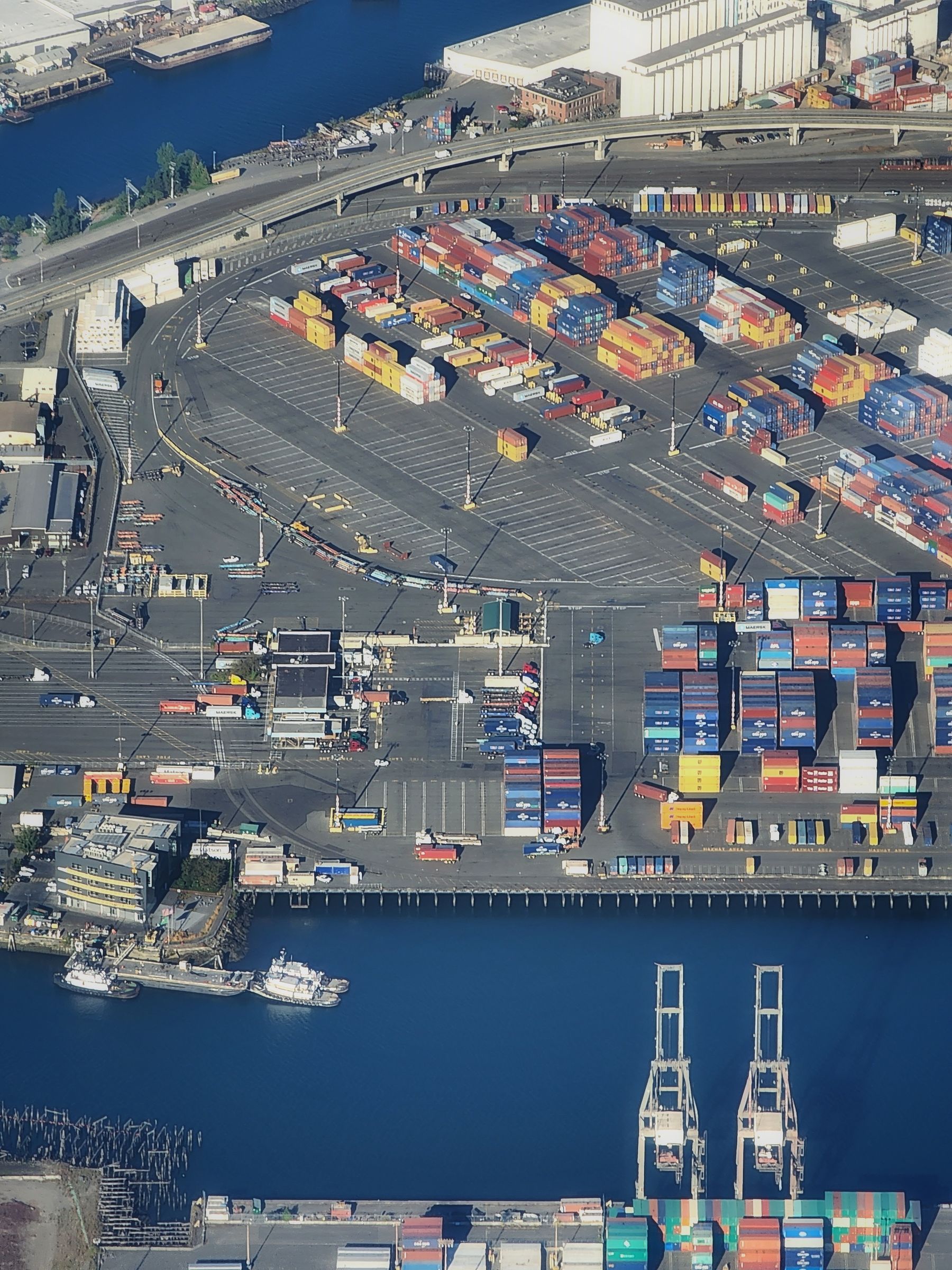
Aerial view of a port connecting ocean, road, rail, and warehouse logistics
LANE MEETS ACCOUNTABILITY

Every gateway and transfer creates a decision, record, and handoff.

COST AND RISK REDUCTION

Manage total landed exposure.

The lowest freight quote can become the most expensive lane when documents fail, parties are unprepared, a transfer is missed, inventory waits, or a hold produces storage, rework, and expedited recovery.

PRODUCT & PACKAGING+FREIGHT & INSURANCE+DUTIES & TAXES+BROKERAGE & FEES+INVENTORY & STORAGE+HOLD, DELAY & REWORK RISK= TOTAL LANDED EXPOSURE

Right pathway first

Resolve product, market, party, authorization, classification, value, origin, and route inputs before inventory and freight are committed.

Right-first-time documents

Align descriptions, quantities, parties, values, identifiers, authorizations, invoices, packing records, and transport instructions across systems.

Broker and importer readiness

Give authorized brokers, filers, importers, exporters, and advisers complete information early enough to identify gaps and provide instructions.

Forecasted movement

Coordinate demand, minimum orders, consolidation, production, inventory, transit windows, receiving capacity, and service level to avoid reactive freight.

Controlled handoffs

Define custody, evidence, scan points, document transfer, cutoffs, receiving, exception ownership, and communication at every material transition.

Faster exception response

Use preassigned owners, current records, escalation thresholds, response clocks, alternatives, and decision logs to limit compounding hold and delay costs.

How value is measured

We establish the relevant baseline and document value through readiness time, document exceptions, manual reviews, border holds, response time, lead-time variance, expedited freight, demurrage or storage, landed-cost variance, damage, claims, receipt performance, or other agreed measures. We do not promise a generic savings, release, cost, or timing result.

CLIENT BENEFITS

What a governed cross-border program changes.

The benefit is a shipment program that more parties can prepare, review, execute, monitor, receive, and improve from the same controlled record.

01

Clearer accountability

Every commercial, customs, transport, professional-review, documentation, and receiving responsibility has a visible owner and handoff.

02

More complete entry information

Product, party, authorization, value, origin, document, and shipment inputs are coordinated before they reach the broker or government review process.

03

Better cost visibility

Product, packaging, freight, duties, taxes, fees, insurance, storage, delay, inventory, and rework exposure are considered together.

04

Fewer preventable holds

A readiness gate surfaces missing, inconsistent, outdated, or unowned information while corrective choices are still available.

05

Faster coordinated response

Exceptions move to named client, broker, carrier, adviser, quality, or receiving owners with the relevant evidence and a decision clock.

06

A reusable lane system

Shipment records, actual costs, timing, exceptions, and lessons improve future routes while preserving product- and jurisdiction-specific review.

WHAT THE CLIENT RECEIVES

Operating tools built for real cross-border decisions.

Deliverables are tailored to the product, origin, destination, parties, authorizations, shipment conditions, frequency, transport modes, advisers, and client governance.

DeliverableWhat it containsClient value
01Cross-border requirement brief

Defines the shipment, product inputs, parties, origin, destination, use, quantity, value, conditions, timing, receiving, constraints, and decision owners.

Creates one operating truth before route, broker, carrier, inventory, or document commitments advance.

02Jurisdiction and admissibility input map

Organizes the product- and market-specific questions, government touchpoints, authorizations, restrictions, responsible advisers, decisions, and open conditions.

Makes professional dependencies visible without representing a coordination review as an admissibility determination.

03Trade and document matrix

Indexes entry data, invoices, packing records, transport documents, origin information, permits, certificates, identifiers, versions, owners, recipients, and due points.

Reduces inconsistent records and last-minute document searches across the handoff chain.

04Party and responsibility map

Clarifies importer, exporter, consignee, broker, filer, forwarder, carrier, warehouse, adviser, quality, receiving, escalation, and record-retention roles.

Exposes missing ownership before a question, hold, deviation, or delivery failure occurs.

05Landed-cost and risk model

Connects product, packaging, freight, duty, tax, brokerage, fees, insurance, storage, inventory, delay, rework, and scenario assumptions.

Supports route and commercial decisions using total exposure rather than freight rate alone.

06Shipment runbook

Documents route, milestones, cutoffs, documents, tracking, custody, instructions, receiving, thresholds, contacts, contingencies, and exception workflow.

Gives every operating party an approved handoff and response plan.

07Post-entry performance review

Reconciles delivery, entry records, actual timing, invoices, duties, taxes, fees, exceptions, claims, corrective actions, records, and lane improvements.

Turns completed movements into evidence for better forecasting, controls, and future route decisions.

ENGAGEMENT AND COST STRUCTURE

Right-sized to the movement and operating model.

Scope is established after qualified intake so effort and fees reflect the real products, jurisdictions, parties, documents, lanes, shipment volume, service level, risk, and coordination coverage required.

01

Import and export readiness assessment

BEST FOR

A qualified organization evaluating a new product flow, jurisdiction, importer structure, broker relationship, lane, or recurring source of border friction.

TYPICAL SCOPE

Shipment brief, party map, professional-input questions, document matrix, authorization-status view, lane options, landed-cost exposure, readiness gaps, and prioritized actions.

PRICING APPROACH

Usually scoped as a defined assessment after the product category, markets, shipment types, parties, documents, advisers, routes, volume, and decision are reviewed.

02

Shipment-level coordination

BEST FOR

A high-priority commercial movement that needs controlled preparation, broker and carrier handoffs, milestone visibility, exception response, and reconciliation.

TYPICAL SCOPE

Readiness coordination, document and data control, party alignment, lane runbook, milestone monitoring, exception routing, delivery confirmation, and post-entry review.

PRICING APPROACH

Scoped by shipment count, products, markets, parties, document complexity, service level, timing, conditions, transport modes, monitoring, and required coverage.

03

Managed cross-border program

BEST FOR

Organizations operating recurring flows across the Americas with multiple sources, destinations, brokers, carriers, products, or exception patterns.

TYPICAL SCOPE

Program governance, requirement intake, party and lane controls, reusable document matrices, forecast coordination, performance reporting, exception oversight, and continuous improvement.

PRICING APPROACH

Structured around active lanes, shipment volume, products, jurisdictions, partner count, coordination intensity, reporting cadence, escalation coverage, and change volume.

Final scope, fees, brokerage, duty, tax, freight, insurance, storage, examination, professional review, government, carrier, or other third-party costs and commercial terms are provided privately to qualified organizations.

A STRONG FIT

When cross-border coordination creates the most value.

USE THIS CAPABILITY WHEN
  • A new source, destination, product flow, or importer structure is being evaluated.
  • Brokers, carriers, advisers, and receiving teams work from inconsistent information.
  • Documents, authorizations, party roles, or entry questions surface after dispatch.
  • Holds, storage, demurrage, expedited recovery, or landed-cost variance are growing.
  • High-priority shipments need a controlled runbook and escalation path.
  • Recurring lanes need measurable performance and disciplined improvement.
BRING TO THE FIRST CONVERSATION
  • The product description, category, condition, use, origin, destination, and quantity.
  • Known manufacturer, seller, buyer, importer, exporter, consignee, and receiving parties.
  • Available authorizations, professional guidance, entry records, invoices, and documents.
  • Current broker, filer, forwarder, carrier, warehouse, adviser, and quality contacts.
  • Historical timing, freight, duty, tax, fees, holds, damage, storage, and exception data.
  • The shipment, lane, cost, or operating decision the organization needs to support.

REFERENCE FRAMEWORK

Border readiness follows the product, jurisdiction, parties, and current official requirements.

These official resources illustrate why cross-border healthcare movements require product-specific data, authorized decisions, accurate entry information, and jurisdiction-aware review. They provide context and do not all apply to every product, shipment, or engagement.

CROSS-BORDER LOGISTICS FAQ

Questions qualified clients ask before freight moves.

Every program is scoped to the product, jurisdictions, parties, authorizations, documents, transport conditions, service requirements, and client-approved professional review process.

What does cross-border logistics coordination include?

Scope can include shipment definition, jurisdiction and professional-input mapping, importer and exporter role alignment, broker and carrier coordination, document control, lane planning, landed-cost exposure, milestone visibility, exception routing, receiving, reconciliation, and improvement. The exact scope depends on the product, parties, jurisdictions, conditions, volume, and client decision rights.

Do you act as customs broker, filer, importer, or exporter of record?

No, unless a separate written agreement expressly identifies a qualified entity for a specific role. Our capability coordinates information and handoffs among the client’s authorized importers, exporters, customs brokers, filers, carriers, forwarders, advisers, and receiving parties. Those parties retain their own legal and operational responsibilities.

Can you determine product classification, admissibility, tariff, value, or origin?

No. We organize the facts, questions, records, owners, and decisions required for the client’s authorized customs broker, counsel, regulatory professionals, quality unit, importer, exporter, or other responsible party to make and document those determinations.

How do you reduce border delays?

We use readiness gates, a controlled document matrix, consistent product and party inputs, early broker and adviser review, explicit responsibility mapping, shipment runbooks, milestone visibility, and predefined exception paths. These controls can reduce preventable friction but cannot guarantee government release or transit timing.

How is landed-cost exposure evaluated?

The model can combine product and packaging cost, freight, insurance, duty, tax, brokerage, government or carrier fees, storage, handling, working capital, hold and exam exposure, rework, expedited recovery, damage, and other relevant assumptions. Authorized professionals remain responsible for duty, tax, tariff, value, origin, and similar determinations.

Can the same lane plan be reused?

A validated operating framework can often be reused, but every new product, supplier, manufacturer, importer, destination, use, value, quantity, authorization, rule change, broker, carrier, or condition may affect the pathway. Reuse therefore begins with change review, not automatic repetition.

What happens when a shipment is held or examined?

The runbook routes the notice, documents, questions, response deadline, authority, and evidence to the named client, broker, filer, adviser, carrier, or quality owner. We coordinate visibility and actions, while the authorized party communicates or makes formal submissions and the relevant authority controls the outcome.

Can you support both the United States and other markets in the Americas?

Yes. Programs can coordinate flows involving the United States and other countries across the Americas, subject to the specific product, origin, destination, parties, authorizations, qualified local expertise, carrier coverage, and client requirements. Every jurisdiction is evaluated separately.

How long does cross-border readiness take?

Timing depends on product definition, market pathway, registrations, permits, licenses, professional decisions, importer and broker readiness, document availability, source data, route capacity, receiving requirements, and client response time. We establish dependencies and a working schedule at intake rather than promise a generic date.

Do you guarantee customs or agency release, timing, duty, cost, or delivery?

No. Our work improves information quality, role clarity, planning, cost visibility, handoff discipline, and exception response. Government decisions, inspections, examinations, holds, admissibility, tariffs, duties, taxes, fees, carrier performance, weather, congestion, and other third-party outcomes cannot be guaranteed.


START WITH THE SHIPMENT AND DECISION

Bring us the lane. We'll organize the handoffs.

Tell us what must move, where it begins, where it must arrive, who holds the formal roles, what documentation exists, which conditions matter, and what decision the organization needs to make.

Request a logistics program reviewContact the commercial team
Important operating boundary

This page describes commercial logistics planning and program-coordination services. Pharma Americas Group is not a customs broker, filer, importer or exporter of record, carrier, freight forwarder, insurer, law firm, tax adviser, regulatory authority, government agency, testing laboratory, or client quality unit, and does not determine product classification, jurisdiction, origin, value, tariff treatment, duty, tax, admissibility, registration, listing, permit, license, authorization, labeling, compliance, release, or market-entry status. The client and its authorized importers, exporters, brokers, filers, counsel, regulatory and quality professionals, carriers, and other responsible parties must make and document those determinations. Planning or coordination does not guarantee government release, timing, cost, condition, or delivery.